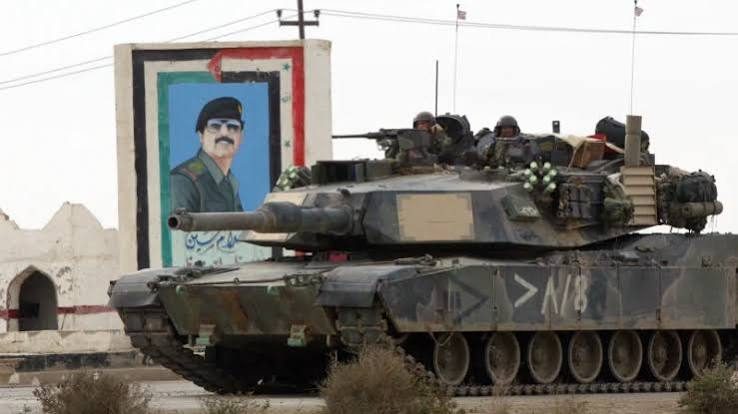
U.S. forces are scheduled to leave their last bases in Iraq by Wednesday, September 30, bringing an end to more than two decades of American military presence in the country. The withdrawal was agreed in 2024 under President Joe Biden and has been carried out by the Trump administration, even as the United States wages war against Iran, Iraq's eastern neighbor.
American troops first entered Iraq with the 2003 invasion that toppled Saddam Hussein. After most forces left in 2011, U.S. troops returned in 2014 to help Iraqi and Kurdish forces fight the Islamic State group. In recent years, their role had shifted mainly to advising and supporting Iraqi security forces, while bases hosting U.S. personnel were repeatedly targeted by Iran-aligned militias.
The timing of the final exit is striking. With the U.S. and Iran in open conflict, some observers see the withdrawal as potentially leaving more room for Iranian influence in Iraq. Reuters framed the pullout as one that could give Tehran an opening in the country.
Iran-aligned groups are already claiming the moment as their own. Abu Mojtaba al-Yasiri, a commander in the Islamic Resistance in Iraq, an umbrella group of Iran-backed militias, described the departure as a historic victory for Iraq's Islamic resistance groups and for what he called honorable Iraqis.
At the same time, Washington appears to be making some practical accommodations related to Iraq. The U.S. Treasury was reportedly preparing a temporary sanctions waiver to allow religious pilgrimage flights between Iran and the Iraqi holy city of Najaf, a move that reflects the deep religious and cultural ties between the two countries.
The end of the U.S. military mission raises important questions for Iraq's government. Baghdad will now have to manage its own security, balance its relationships with both Washington and Tehran, and prevent the country from becoming a battleground in the wider regional war. How Iraq handles these pressures in the coming months will be closely watched in capitals across the Middle East and beyond.