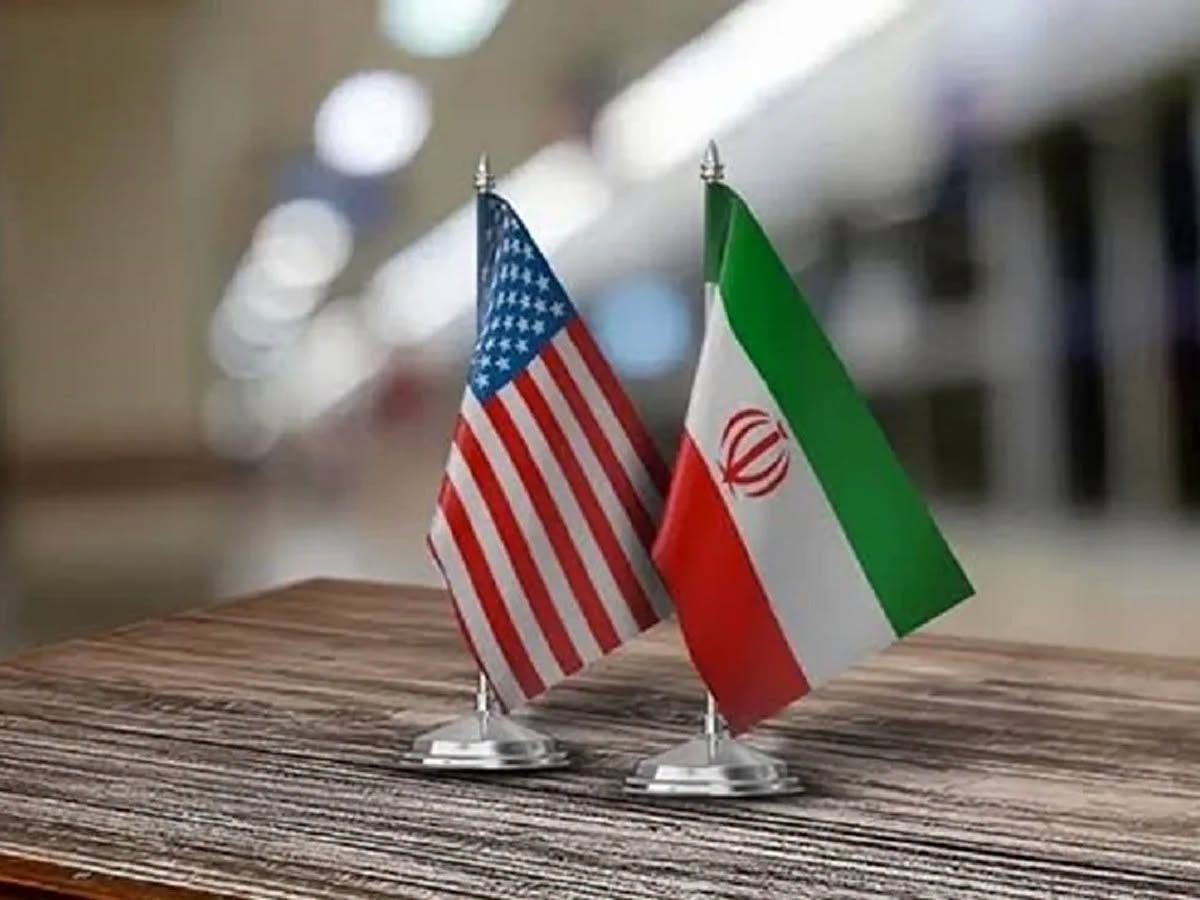
The United States and Iran are holding indirect talks on a possible agreement to end the fighting between the two countries. According to reports, the discussions cover three major issues: stopping the hostilities, lifting sanctions on Iran, and reopening the Strait of Hormuz, the narrow waterway between Iran and the Arabian Peninsula through which a large share of the world's oil and gas normally passes.
The shape of a possible deal is still unclear. U.S. officials have told Axios that President Trump is prepared to offer Iran sanctions relief and to release frozen Iranian funds if Tehran takes concrete steps on its nuclear program. Trump, however, publicly dismissed those reports on social media, calling them untrue. The mixed messages show how sensitive the negotiations are, both in Washington and in Tehran.
On the Iranian side, rhetoric remains harsh. Hossein Mohebbi, a spokesman for Iran's Islamic Revolutionary Guard Corps, called Trump a "big liar" on Tuesday. He accused the U.S. president of hiding the truth from Americans about Iran's nuclear program and about how effective Iran's blockade of energy supplies has been. Mohebbi also claimed that the United States knows Iran is not seeking nuclear weapons.
The conflict has spread well beyond the two countries. Saudi Arabia has resumed oil exports through its East-West pipeline after repairing damage from drone strikes, according to sources cited by the Wall Street Journal. In Yemen, the World Health Organization says more than 800 people have been killed, and thousands injured or displaced, since fighting resumed between the Iran-aligned Houthis and the Saudi-backed government.
There are also small signs of flexibility. The U.S. Treasury was reportedly set to issue a limited one-month waiver to its Iran sanctions to allow flights carrying Shi'ite Muslim pilgrims between Iran and the holy city of Najaf in Iraq, with a longer-term waiver possible later.
Whether the talks produce a breakthrough will matter far beyond the Middle East. A reopened Strait of Hormuz would ease pressure on global energy markets, while a collapse of the negotiations could deepen a war that is already affecting several countries in the region.